

CIO Summit
The Rise of Agentic Systems


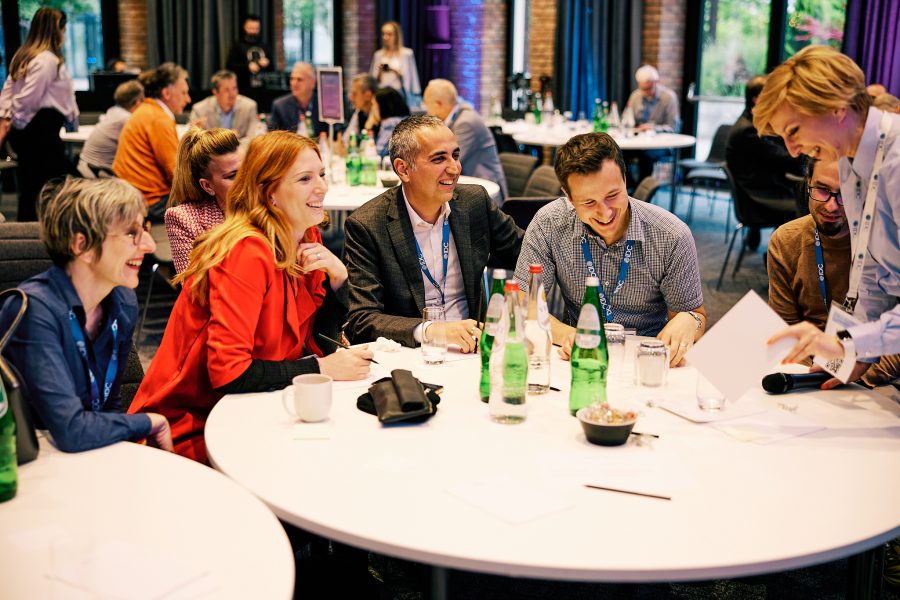
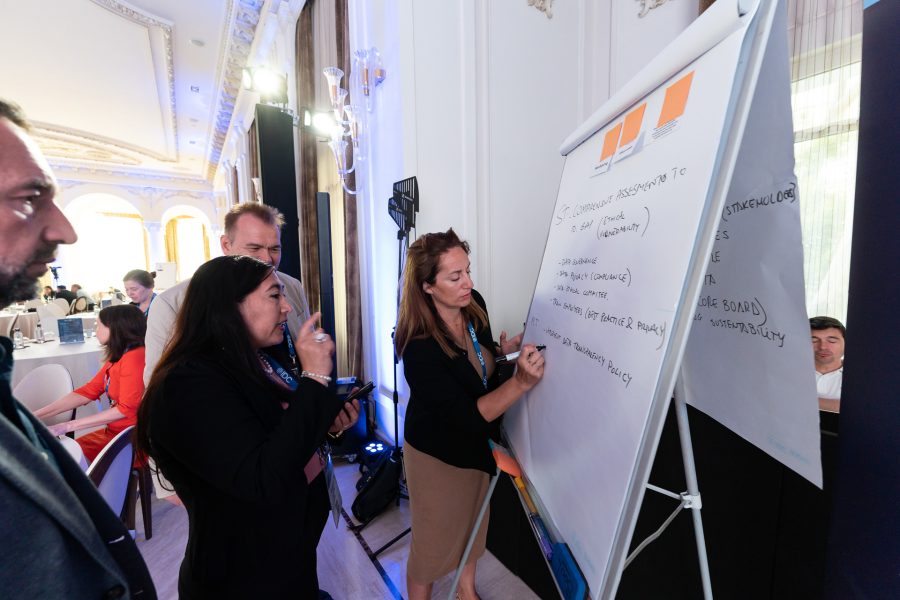
Modernize. Secure. Innovate. Lead with the power of Agentic-AI
Switzerland is strengthening its position as a European leader in secure, responsible, and innovation-driven digital transformation. With its strong financial services sector, advanced manufacturing base, and deep commitment to data privacy, the country is accelerating investment in cloud modernization, automation, and AI, including the next wave of Agentic AI.
For Swiss CIOs, 2026 will bring new challenges and opportunities: managing the convergence of innovation and regulation, modernizing legacy systems while meeting strict data protection standards, and integrating intelligent automation without compromising security or ethical accountability. As AI and Agentic AI gain traction, CIOs will play a central role in defining governance models that ensure transparency, trust, and measurable business value.

Agenda
The IDC CIO Summit Switzerland 2026 is the leading event for senior technology and business executives shaping enterprise strategy and digital leadership in one of Europe’s most advanced and trusted digital economies. Designed for CIOs, CTOs, and transformation leaders, this one-day summit delivers actionable insights on Switzerland’s top priorities for 2026: secure digital modernization, AI and Agentic AI adoption, cybersecurity resilience, and aligning IT with business value in an increasingly regulated and sustainability-focused environment.
Speakers

Thomas Meyer
General Manager and Group Vice President, EMEA Research
IDC
Read bio

Thomas Meyer

Anja Lange
Moderator
Read bio
Anja Lange

Priscilla Schneider
Head of Core Infrastructure
Bank for International Settlements (BIS)
Read bio
Priscilla Schneider
Priscilla Schneider ist eine strategische IT-Führungskraft und aktuell Head of Core Infrastructure bei der Bank for International Settlements (BIS), wo sie die Verantwortung für Datacenter inklusive Storage und Virtualisierungsplattform, Netzwerk sowie Cloud Engineering trägt. Zuvor war sie in verschiedenen Führungsfunktionen bei der SIX Group Services AG tätig und verantwortete unter anderem internationale Infrastruktur- und Automationsplattformen sowie den Betrieb sicherer und konformer Server Plattformen sowie die Virtualisierung und Private Cloud.
Ihre IT-Karriere startete sie als Software Engineer bei der AXA Winterthur und sammelte dort Erfahrung in Mainframe- und Web-Applikationen.
Beim Softwaredienstleister Noser Engineering AG leitete sie das Webteam und wirkte als Presales Managerin als Brücke zwischen Technik und Verkauf.
Geprägt von ihrem technischen Hintergrund und ihrer Leidenschaft für die Arbeit mit Menschen fokussiert sie sich heute auf Führung und strategische Weiterentwicklung in der IT und verfügt über einen Bachelor of Science in Informatik sowie einen MAS in Leadership & Management der Zürcher Hochschule für Angewandte Wissenschaften.

Marcus Hug
Leiter Informatik & Mitglied der Geschäftsleitung
Michel Gruppe AG (Michel Services)
Read bio
Marcus Hug
Marcus Hug verantwortet die strategische Weiterentwicklung und den operativen Betrieb der gesamten Informatik-Infrastruktur und digitalen Services einer privaten Gesundheitsgruppe mit überregionaler Ausstrahlung. Mit 20 Jahren Erfahrung als Informatikverantwortlicher im Schweizer Gesundheitswesen gestaltet er die digitale Transformation mit dem Ziel, medizinische Exzellenz und betriebliche Effizienz durch resiliente IT-Architekturen und interdisziplinäre Zusammenarbeit zu vereinen. Seine Schwerpunkte liegen in der Modernisierung von Klinikinformationssystemen, IT-Governance im regulierten Umfeld sowie der pragmatischen Einführung innovativer Technologien – stets mit dem Verständnis von Technologie als Werkzeug im Dienst des Menschen.

Christian Probst
Leiter Querschnittsapplikationen
Finanzdepartement des Kantons Basel-Stadt
Read bio
Christian Probst
Christian Probst hat Informatik studiert und ist seit über 20 Jahren ein Treiber der Digitalisierung. In seinem Werdegang vom Software-Engineer zum Abteilungsleiter beim Kanton Basel-Stadt leistete er echte Pionierarbeit: Er transformierte den E-Government-Bereich zu einem schweizweiten Vorbild für Ende-zu-Ende-Prozesse. Als Visionär für Digitalisierung steuert er heute die strategische Ausrichtung der zentralen Services und Applikationen, um die Verwaltung von morgen effizient, skalierbar und konsequent nutzerzentriert zu gestalten.

Thomas Greuter
CIO
Migros Bank
Read bio
Thomas Greuter
Technologie Leader mit über 26 Jahren internationaler Erfahrung in leitenden Positionen im Erschliessen von neuen Märkten, Restrukturierungen und Krisenmanagement in der Finanz Dienstleistungs-, Telekommunikation/ IT- sowie Luftfahrt-Industrie in der Schweiz, Hong Kong und Singapur. Meine Leidenschaft ist in Digitaler Transformation und Organisations Entwicklung, mit dem Ziel nachhaltige Erfolge zu erwirtschaften. Seit 2024 CIO der Migros Bank.

Fabian Ringwald
CIO und Mitglied der Geschäftsleitung
SWICA
Read bio
Fabian Ringwald
Fabian Ringwald ist Chief Information Officer (CIO) und Mitglied der Geschäftsleitung bei SWICA, wo er seit 2020 die digitale Transformation des Unternehmens gestaltet. Seine Schwerpunkte liegen auf modernen Datenlandschaften nach Data‑Mesh‑Prinzipien, der Datendemokratisierung und der Entwicklung digitaler Kundenschnittstellen, um das Geschäftsmodell nachhaltig zu stärken. Zuvor gestaltete er bei SBB Cargo den Aufbau der digitalen Güterbahn und bei BKW Energie AG die technologische Entwicklung des Energy-Trading-Floors.
Als strategisch‑visionärer Leader legt er grossen Wert auf Menschen, Zusammenarbeit und die Entwicklung übergreifender Teams – getrieben von seiner Leidenschaft, Technologie und Human Leadership zu verbinden. Energie und mentale Stärke schöpft er in den Bergen im Ultra‑Trail‑Running, seinem sportlichen Ausgleich.

Oliver Köth
Managing Director Technology & Innovation
NTT DATA
Read bio
Oliver Köth
Oliver Köth ist Managing Director Technology & Innovation für die DACH-Region (Deutschland, Österreich, Schweiz) bei NTT DATA. Er berät Kunden zu Technologiethemen in
den Bereichen Cloud, Internet der Dinge, Künstliche Intelligenz, Cybersicherheit, Kundenerfahrung (CX) und Quantencomputing mit globaler Technologie- und Innovationsexpertise.
Seit 2024 leitete er ein globales Team von Analysten und Innovationsstrategen, um den NTT DATA Technology Foresight zu erstellen. Ein Jahr zuvor gründete Köth das GenAI Office
für DACH und entwickelte mit seinem Team den GenAI Workplace Good GPT. Zu weiteren Highlight-Projekten gehört die Beteiligung 2021 am Aufbau eines bereichsübergreifenden
internationalen Teams, das die BMW Quantum Challenge gewann. 2017 war er zudem Mitbegründer von Ensō – The Space for Creators, dem ersten Co-Creation Space der NTT Group
in der EMEA-Region, um gemeinsam mit Kunden lebenswerte Zukunftsvisionen zu entwickeln.
Oliver Köth kam 2002 als Software-Architekt zu NTT DATA und war zunächst in der globalen Automotive Unit des Unternehmens in internationalen Systemintegrationsprojekten tätig. Er
schloss 1997 sein Studium der Informatik an der Technischen Hochschule Nürnberg ab. Zudem hält er einen MBA der University of Lincoln (Vereinigtes Königreich).

Thomas Jung
Chief Data Officer
Syngenta Group
Read bio
Thomas Jung
Thomas Jung ist Chief Data Officer der Syngenta Group und treibt eine ambitionierte Daten‑ und KI‑Vision voran, um die Zukunft der Landwirtschaft smarter und nachhaltiger zu machen. Er verfügt über breite Erfahrung in technologiegeführter Transformation – von Technology Consulting und M&A‑Integration bis zur Digitalisierung der Forschung und Entwicklung der Syngenta Crop Protection.
Dr. Sascha Tayefeh
Fachstellenleiter Digitalisierung
Universität Bern
Read bio
Dr. Sascha Tayefeh
Dr. Sascha Tayefeh ist seit 2020 der “Fachstellenleiter Digitalisierung” der Universität Bern, einer der grössten Volluniversitäten der Schweiz mit acht Fakultäten und rund 19’000 Studierenden. In dieser Funktion koordiniert er die strategische Steuerung der digitalen Transformation über alle universitären Bereiche hinweg – Forschung, Lehre, Verwaltung und Infrastruktur.
Als organisatorische Schnittstelle zwischen dem Zentralbereich (Verwaltung) der Universität und acht autonomen Fakultäten mit einer grossen Anzahl ebenfalls gröstenteils autonomer Institute koordiniert er die Umsetzung der Digitalisierungsstrategie 2030 und fördert den fakultätsübergreifenden Dialog zu Themen wie AI-Governance, digitale Lehre und IT-Modernisierung.
Vor seiner Tätigkeit an der Universität Bern sammelte Sascha Tayefeh insgesamt 15 Jahre Erfahrung als Mitarbeiter beim Bundesamt für Strassen (ASTRA), bei der Software AG sowie in der IT-Beratung. Er promovierte in Computersimulation (Dr. rer. nat.) an der Technischen Universität Darmstadt, Deutschland

Jan Freudenreich
Head of IT Security
Basler Kantonalbank
Read bio
Jan Freudenreich
Jan Freudenreich leitet die IT-Sicherheit für den Konzern der Basler Kantonalbank, welcher neben der BKB auch die Bank Cler umfasst. In seiner Rolle ist er verantwortlich für Strategie, Umsetzung und Operations. Seine weitreichende Erfahrung in Resilienz Planung und Security Transformation umfasst den Schweizer und europäischen Finanzmarkt.

Holger Spielberger
Global Chief Information Officer & Chief Digital Officer
Georg Fischer Piping Systems
Read bio
Holger Spielberger
Holger Spielberger ist eine visionäre Führungspersönlichkeit mit über 20 Jahren globaler Erfahrung in der Leitung komplexer Business- und Technologie-Organisationen. Als Global CIO bei Georg Fischer Piping Systems verantwortet er die globale IT-, Daten- und Digitalisierungsstrategie. Seine Expertise liegt in der Harmonisierung von Geschäftsprozessen, dem Aufbau robuster IT-Governance-Strukturen sowie der Leitung wegweisender digitaler Transformationsprogramme.
Zuvor hielt er Führungspositionen bei Branchenriesen wie ASSA ABLOY und ABB inne. Er gilt als Experte für die Implementierung kundenorientierter, KI-getriebener Ökosysteme, die messbare Effizienzsteigerungen und radikale Prozessbeschleunigungen ermöglichen. Holger Spielberger kombiniert strategischen Weitblick mit analytischer Präzision, um internationale Unternehmen in eine hochautomatisierte und wertschöpfende Zukunft zu führen.

Boris Bialek
Vice President Industries and Global Field Chief Technology Officer
MongoDB
Read bio
Boris Bialek
Boris Bialek joined MongoDB in 2019 as Head of Innovation, EMEA. In July 2021, he established the Industry
Solutions teams and was promoted to Managing Director, Industry Solutions, overseeing MongoDB’s verticals
and delivering early access experiences to clients. In 2024 he was promoted to become the first Field CTO at
MongoDB reporting to the Chief Product Officer and having global responsibilities.With over 30 years of
experience in enterprise solutions, Boris has extensive experience shaping solution landscapes, driving
innovation, and guiding future roadmaps. His client interactions provide crucial input for MongoDB’s product
management and development.
Prior to MongoDB, Boris held positions at IBM and FIS. At FIS, he led global banking risk development teams
and established new development sites in Toronto, Pune, and Belgrade. He transitioned legacy systems to
MongoDB and shifted to a cloud strategy, converting eight application sets and introducing the FIS DataHub
data platform.
At IBM, Boris managed the technology ecosystem for the Information Management product portfolio. Leading a
global team, he drove enterprise transformations and migrations to new data technologies. He oversaw the
worldwide development team for SAP DB2 integration and led transformative projects in the financial industry
across Asia and Africa.
Boris began his career at Digital Equipment’s Campus Engineering Center in Germany and later joined Compaq.
He was part of the team that brought SAP’s R/3 to the Windows platform and was named Senior Member
Technical Staff in 1998. He was also a co-founder of the SAP LinuxLab.
Boris’s early career included working as a founding member of a NATO group for electronic warfare, focusing on
radar signal intelligence.
Boris Bialek holds a Master of Computer Science from the Karlsruhe Institute of Technology. His thesis on
automatic configuration management for software systems influenced the automatic code merge facility in
ClearCase.
Venue

2026 Prediction
By 2027, 55% of G1000 CIOs will be tasked to create enterprise AI value playbooks, featuring expanded ROI models to define, measure, and showcase AI impact across efficiency, growth, and innovation.
Main Themes
The CIO as Business Strategist
CIOs have evolved from operational leaders to enterprise strategists. As digital transformation reshapes every business model, technology leadership now defines competitiveness. Today’s CIO must align IT priorities with business outcomes, influence the boardroom agenda, and drive innovation that delivers measurable value.
Modernization, Legacy and Technical Debt
Managing technical debt is no longer just a maintenance concern, it’s a strategic priority. Modernizing legacy systems, simplifying architectures, and optimizing cost structures allow organizations to shift resources from upkeep to innovation. Streamlined technology portfolios create the agility needed to compete in a digital economy.
The Agentic AI Revolution
Agentic AI marks a shift from automation to autonomy. How CIOs can govern, scale, and integrate autonomous AI systems responsibly (balancing opportunity with oversight to create intelligent, self-directed enterprises.
Resilience by Design
Resilience is emerging as the defining capability of modern enterprises. Adaptive architectures, secure infrastructure, and integrated continuity planning enable organizations to withstand disruption (whether from economic uncertainty, regulatory shifts, or cyber threats) while sustaining growth and trust.
Cybersecurity, Trust, and Digital Sovereignty
As digital ecosystems expand, trust becomes a critical currency. CIOs must address cybersecurity, data sovereignty, and compliance in tandem, ensuring that cloud strategies and cross-border operations align with evolving regulations. Building digital trust creates both protection and competitive advantage.
Building the Intelligent Enterprise
Data is the foundation of every intelligent organization. Reliable, governed, and accessible data architectures enable AI, automation, and analytics to operate at scale. Enterprises that invest in strong data foundations are better positioned to extract insight, anticipate change, and deliver smarter, faster business outcomes.
2026 Prediction
Composite AI: In 2026, a renewed focus on traditional AI for explainability and reliability will drive 70% of organizations to adopt composite AI, blending generative, prescriptive, predictive, and agentic technology.
Partners

NTT DATA
Über NTT DATA Group
NTT DATA in der DACH-Region ist Teil der NTT DATA Unternehmensgruppe. Mit einem jährlichen globalen Umsatz von über 30 Milliarden US-Dollar ist sie ein führender Anbieter von Business- und Technologie-Services, die 75 Prozent der Fortune Global 100 zu ihren Kunden zählt. Gruppenweit engagiert sich NTT DATA für den Erfolg seiner Kunden und ist bestrebt, die Gesellschaft mit verantwortungsvollen Innovationen positiv zu verändern. Sie ist einer der weltweit führenden Anbieter von KI und digitalen Infrastrukturen. Außerdem bietet sie einzigartige Fähigkeiten bei der Enterprise-Skalierung von KI, Cloud, Security, Konnektivität, Rechenzentren und Application Services. Mit Beratung und Branchenlösungen unterstützt NTT DATA Unternehmen und die Gesellschaft dabei, sicher und nachhaltig in eine digitale Zukunft aufzubrechen. Als Global Top Employer verfügt die Unternehmensgruppe über Expertinnen und Experten in mehr als 70 Ländern. Darüber hinaus bietet sie Kunden ein robustes Ökosystem mit Innovationszentren sowie etablierten Partnern und Start-ups. NTT DATA ist Teil der NTT Group, die jedes Jahr mehr als 3 Milliarden US-Dollar in Forschung und Entwicklung investiert.

MongoDB
MongoDB mit Hauptsitz in New York verfolgt das Ziel, Innovatoren dabei zu unterstützen, Branchen zu gestalten, zu transformieren und nachhaltig zu verändern, indem das volle Potenzial von Software und Daten erschlossen wird. Unsere moderne Datenbankplattform, von Entwicklern für Entwickler konzipiert, vereint eine leistungsstarke Datenbank mit einer integrierten Suite aufeinander abgestimmter Dienste. Dadurch können Entwicklungsteams den stetig wachsenden Anforderungen heutiger, vielfältiger Anwendungen gerecht werden – und das innerhalb einer durchgängigen und konsistenten Benutzererfahrung.
MongoDB zählt zehntausende Kunden in mehr als 100 Ländern weltweit. Seit 2007 wurde die MongoDB-Datenbankplattform mehrere hundert Millionen Mal heruntergeladen. Zudem haben Millionen von Entwicklerinnen und Entwicklern über die Kurse der MongoDB University ihr Wissen erweitert. Weitere Informationen finden Sie unter mongodb.com.

Wipro

ORBCOM

Comarch
Comarch ist ein global tätiges Technologieunternehmen und Systemintegrator, das 1993 gegründet wurde. Mit 30 Jahren Branchenerfahrung, 5.000 Mitarbeitenden und mehreren tausend erfolgreich abgeschlossenen Projekten ist das Unternehmen international präsent – mit 69 Niederlassungen in 61 Städten und 31 Ländern.
Comarch verbindet diese Größe mit einer starken internen Forschungs- und Entwicklungskompetenz, hohen Bewertungen durch IT-Analysten wie DiS, Gartner, IDC und Truffle 100 sowie wachsender Expertise in den Bereichen Künstliche Intelligenz und Prozessautomatisierung. Mehr als 1.390 Ingenieurinnen und Ingenieure wurden im Bereich GenAI geschult, und über 1.000 Implementierungsspezialistinnen und -spezialisten verfügen über KI-Kompetenzen.
Innerhalb dieses breiten Portfolios bietet Comarch ICT Leistungen in den Bereichen Rechenzentrum, Cloud, Managed IT, IT-Outsourcing, Service Desk und DevOps an, unterstützt durch 16 Rechenzentrumsstandorte in 8 Ländern. Zu den öffentlich referenzierten ICT-Projekten zählen unter anderem Kundenprojekte für Renault, den Heathrow Airport, DZI Life Insurance, Boost E-Wallet und JetBlue Airways.
Knowledge Hub

The AI homework nobody asked for (but everyone’s getting anyway)
Artificial Intelligence has officially reached the “you can do anything with it” stage of technological hype. Judging just by AI vendor narratives, and by some of the media, it’s the golden key to productivity, efficiency, optimization and innovation.

The Agentic Business Future: Driving Resilience, Sovereignty, and Innovation in EMEA
As organizations navigate an era defined by economic uncertainty, geopolitical shifts, and relentless technological change, one truth stands out: the future belongs to those who can harness AI, automation, and sovereignty to build resilience, drive innovation, and unlock growth.

EMEA’s Tech Evolution – 7 Key Themes Transforming Business in 2025
The technology landscape across Europe, Middle East, and Africa (EMEA) is changing rapidly in 2025, with innovations actively reshaping industries and creating new business opportunities.
Terms and Conditions
The IDC CIO Summit is aimed at IT and specialist staff from IT user companies in Switzerland.
For the purposes of these terms and conditions of participation, IT user companies are defined as all companies that do not themselves provide consulting services and/or develop, manufacture, or distribute information and communication technology (ICT) products or services.
Employees of outsourced IT companies who work exclusively for the parent company and do not conduct any third-party business are also eligible to participate. Employees of IT service companies generally only have access to our events through sponsorship.
IT provider companies within the meaning of these conditions of participation are hardware, software, service, and telecommunications companies, as well as consulting firms and ICT service providers.
IDC expressly reserves the right to reject registrations from persons who do not belong to the above-mentioned target group, even if the invitation was issued by one of our partners, mistakenly by IDC itself, or through participation in an online survey.
After registering via the online registration form and successful verification by IDC, you will receive a binding confirmation of registration by email.
Not the right event for you?
Don’t worry! We organize a variety of events designed to inspire original ideas, share the latest industry insights, and connect professionals like you. Simply sign up for event invitations, and we’ll notify you whenever a new event matches your interests.
Sign up